By
By 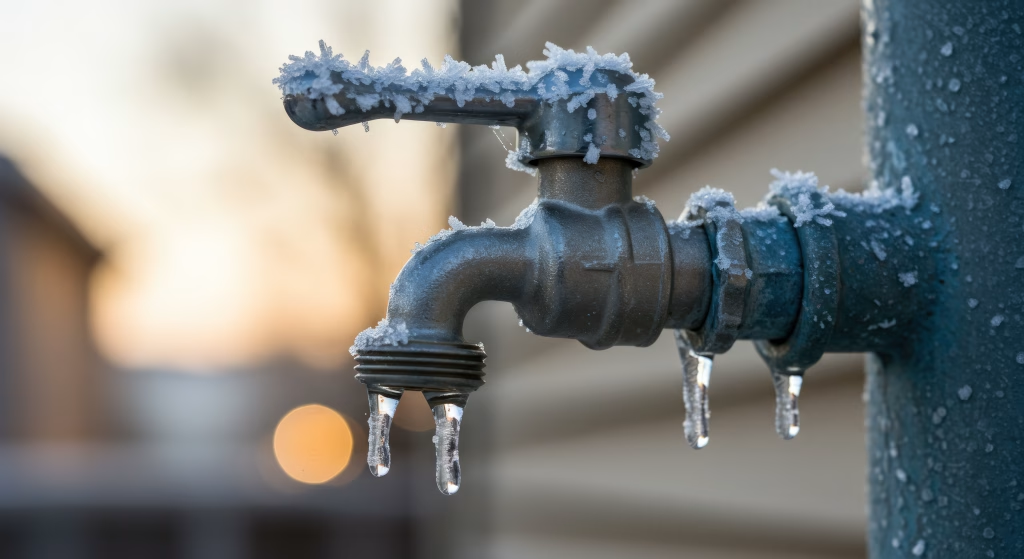
What to Do if Your Pipes Freeze: An Essential Guide
As the winter months approach, the risk of frozen pipes becomes a pressing concern for homeowners. When temperatures drop, water inside your pipes can freeze, expanding and potentially causing pipes to burst. This not only leads to extensive water damage but can also be costly to repair. In this blog post, we’ll discuss the steps to take if you find yourself with frozen pipes, as well as preventative measures to help avoid this situation altogether.
Recognizing the Signs of Frozen Pipes
Before diving into solutions, it’s important to recognize the signs that indicate you might have frozen pipes. If you turn on a faucet and only a trickle of water comes out (or none at all), this could be a sign of a frozen pipe. Additionally, you may notice a frost-covered pipe, or hear unusual sounds, such as gurgling or clanking, accompanied by unusual pressure in the plumbing system.
Steps to Take if Your Pipes Freeze
- Stay Calm and Turn Off the Water Supply: If you suspect your pipes are frozen, the first step is to turn off the water supply to prevent water damage in the event of a burst pipe. Locate and close the main water shut-off valve in your home.
- Open the Faucets: Open the faucet connected to the frozen pipe. This will help relieve pressure in the system and allow any melting ice to escape, reducing the risk of a burst.
- Apply Heat: Gently warming the frozen section of the pipe can help thaw it. You can use a hairdryer, heat lamp, or towel soaked in hot water for this purpose. Avoid using open flames or extreme heat sources, as these can damage the pipe or even ignite a fire. Start applying heat near the faucet and work your way toward the frozen area.
- Check for Leaks: Once the pipe thaws, monitor the area for any leaks. If you notice water leaking from the pipe, it is advisable to call a plumber immediately to assess the situation and perform necessary repairs.
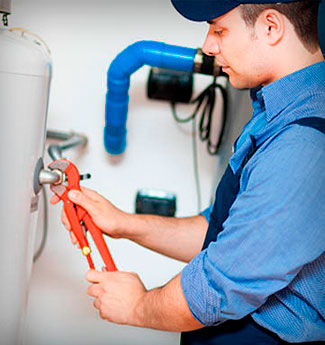
- Consider Professional Help: If you’re unable to locate or thaw the frozen pipe on your own, don’t hesitate to call a professional plumber. They have the tools and expertise to resolve complex plumbing issues safely.
Preventative Measures for the Future
Taking steps in advance can significantly reduce the risk of frozen pipes this winter. Here are some tips to keep your plumbing system safe:
- Insulate Exposed Pipes: Use foam pipe insulation or heat tape on pipes that are located in unheated areas of your home, such as the basement, garage, or crawl spaces.
- Maintain a Consistent Temperature: Keep the thermostat set to a consistent temperature, even when you are away. A sudden drop in temperature can lead to freezing.
- Let the Faucet Drip: During extreme cold spells, letting a faucet drip slightly can keep water flowing and prevent pipes from freezing.
- Seal Openings: Inspect your home for any drafts or openings near pipes and seal them to keep cold air out.
- Open Cabinet Doors: Open kitchen and bathroom cabinet doors to allow warm air to circulate around the plumbing, especially during cold spells.
By taking these precautions and knowing how to respond if your pipes freeze, you can help protect your home from costly damages. If you find yourself facing a plumbing emergency this winter, remember that seeking professional help is always a wise decision for the safety and integrity of your home.
For further assistance, feel free to reach out to us at Mann Plumbing at (812) 334-4003. Stay warm and safe this winter!